Do You Need a Bone Graft Before Dental Implants? A Structured Guide
When a tooth is lost, the jawbone beneath it can begin to shrink. Bone relies on the pressure of chewing to stay dense and healthy. Without a tooth root stimulating it, the bone can resorb over months or years. For patients considering dental implants, this bone loss can be a real obstacle. An implant needs a solid base of bone to anchor into, much like a fence post needs firm ground.
Not everyone needs a bone graft before getting implants. Understanding when it may be necessary can help you prepare for treatment and set realistic expectations.
Why Jawbone Loss Happens After Tooth Loss
Jawbone loss commonly begins within weeks of extraction. When a tooth root is no longer present, the daily forces that kept the bone stimulated stop, and the body gradually reabsorbs the bone in that area. Research suggests a significant portion of bone width can be lost within the first year after extraction. The longer a tooth has been missing, the more bone may have been lost.
Gum disease can also cause bone loss around teeth that are still present. Periodontal disease destroys the supporting structures around teeth before they are even lost. Patients from Cranbourne and the surrounding Casey region who have had untreated gum disease may therefore be more likely to need bone support before implant placement.
What Is a Bone Graft and How Does It Work?
A bone graft rebuilds lost jawbone volume to support dental implants. Grafting material (which may come from your own body, a processed donor source, or a synthetic substitute) is placed where bone has been lost. The material acts as a scaffold, encouraging your body's own cells to form new bone over time. Once the graft has matured, the site may be ready to receive an implant.
Socket Preservation and Its Role in Implant Success
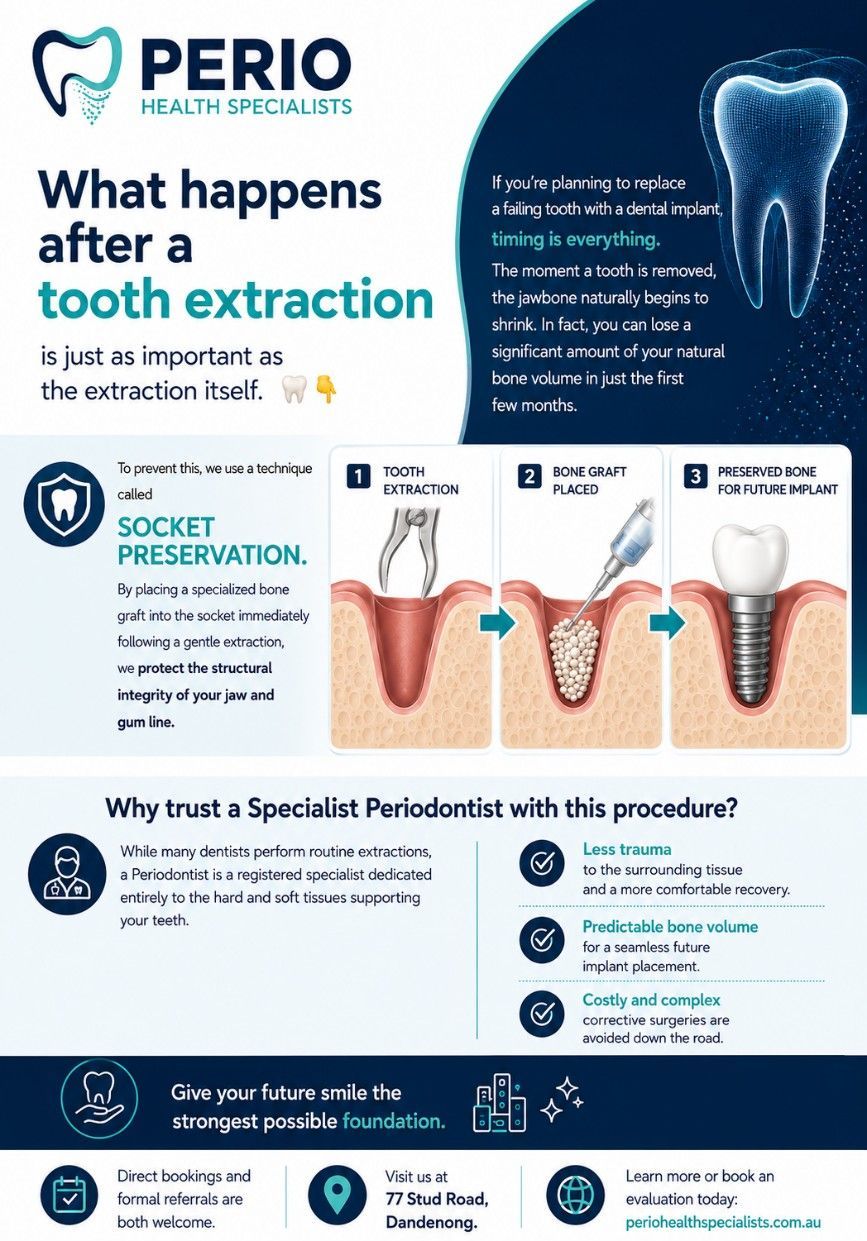
Socket preservation is a bone graft placed at the time of tooth extraction. Rather than waiting until bone loss has occurred and then trying to rebuild it, socket preservation maintains the shape and volume of the socket, which can simplify and improve implant outcomes later.
Patients who know they will want dental implants in the future may benefit from discussing socket preservation with their periodontist at the time of extraction. This is especially relevant for patients in Cranbourne, Clyde, and Officer, where many people are at various stages of planning tooth replacement.
How Graft Readiness Is Assessed
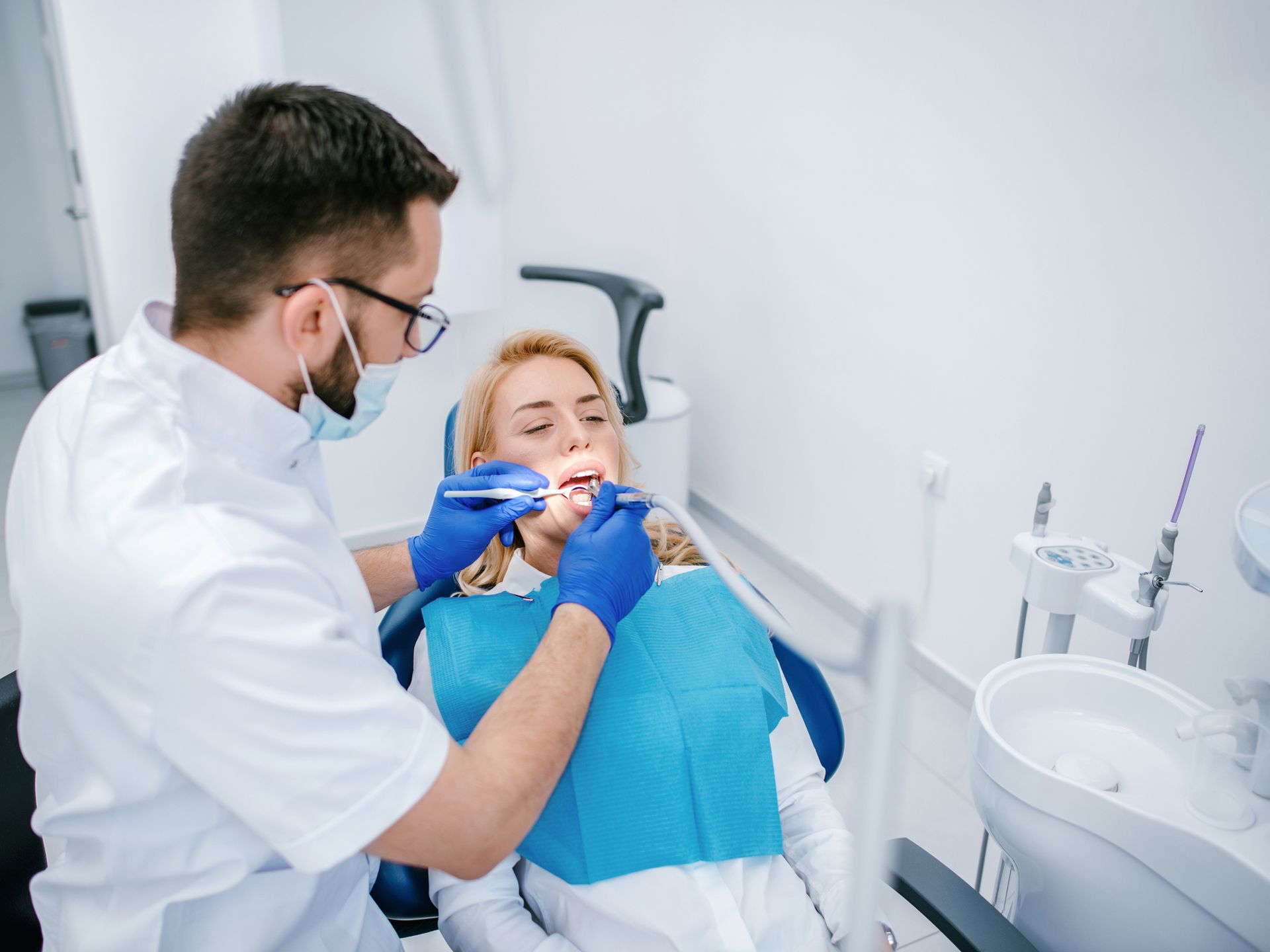
A clinical assessment determines whether a patient needs a bone graft before dental implants. A specialist periodontist will review your dental and medical history, take clinical measurements, and use imaging (often including three-dimensional scans) to evaluate the height, width, and density of your jawbone. This assessment determines whether your bone is sufficient to support an implant, or whether grafting is needed first.
Factors that may influence this assessment include how long the tooth has been missing, whether gum disease has been present, overall health, and lifestyle factors such as smoking.
What Patients Can Expect
Patients from the Cranbourne area seeking dental implants typically begin with a specialist periodontal consultation. If a bone graft is recommended, the graft procedure is carried out first, followed by a healing period before implant placement. This staged approach may take several months in total, but is important for long-term implant success. Throughout the process, your periodontist will monitor healing and confirm the site is ready before moving to the next stage. Clear communication at each step helps patients know what to expect and when.
Does Everyone Need a Bone Graft Before Getting Dental Implants?
No. A bone graft is only recommended when bone volume is insufficient. Many patients can proceed directly to implant placement after assessment.
How Long Does It Take for a Bone Graft to Heal Before Implant Placement?
Healing varies by graft size and individual biology. Minor grafts may take three to four months; larger grafts can take six or more.
Can Gum Disease Affect My Suitability for Dental Implants?
Yes. Active gum disease must be treated and stabilised before implant placement to reduce the risk of implant failure.
Is Socket Preservation Necessary if I Plan to Get an Implant Later?
Not always, but it can simplify future implant treatment. Discuss your long-term plans with a periodontist at the time of extraction.
Take the Next Step Toward a Confident Smile
Understanding whether you need a bone graft before dental implants is an important part of planning your tooth replacement journey. A specialist assessment will give you clarity on your bone health and the steps involved in your individual treatment plan.
Perio Health Specialists serves patients from Cranbourne, Pakenham, Clyde, Berwick, and the broader Casey region from their clinic in Dandenong, VIC. Led by specialist periodontist Dr Ruchi Agarwal, Perio Health Specialists offers evidence-based care for bone grafting, gum disease, and dental implant treatment. No referral is required. To arrange a consultation, call (03) 8488 7555 or send an enquiry online.