How Periodontists Support Dentists and Benefit Patients

Your general dentist is usually the first person to identify changes in your oral health. During a routine dental examination, your dentist may notice bleeding gums, gum recession, bone loss, loose teeth, persistent inflammation or other signs that require more specialised assessment.
In these situations, a periodontist can work alongside your dentist to provide specialist care for the gums, jawbone and supporting structures around your teeth.
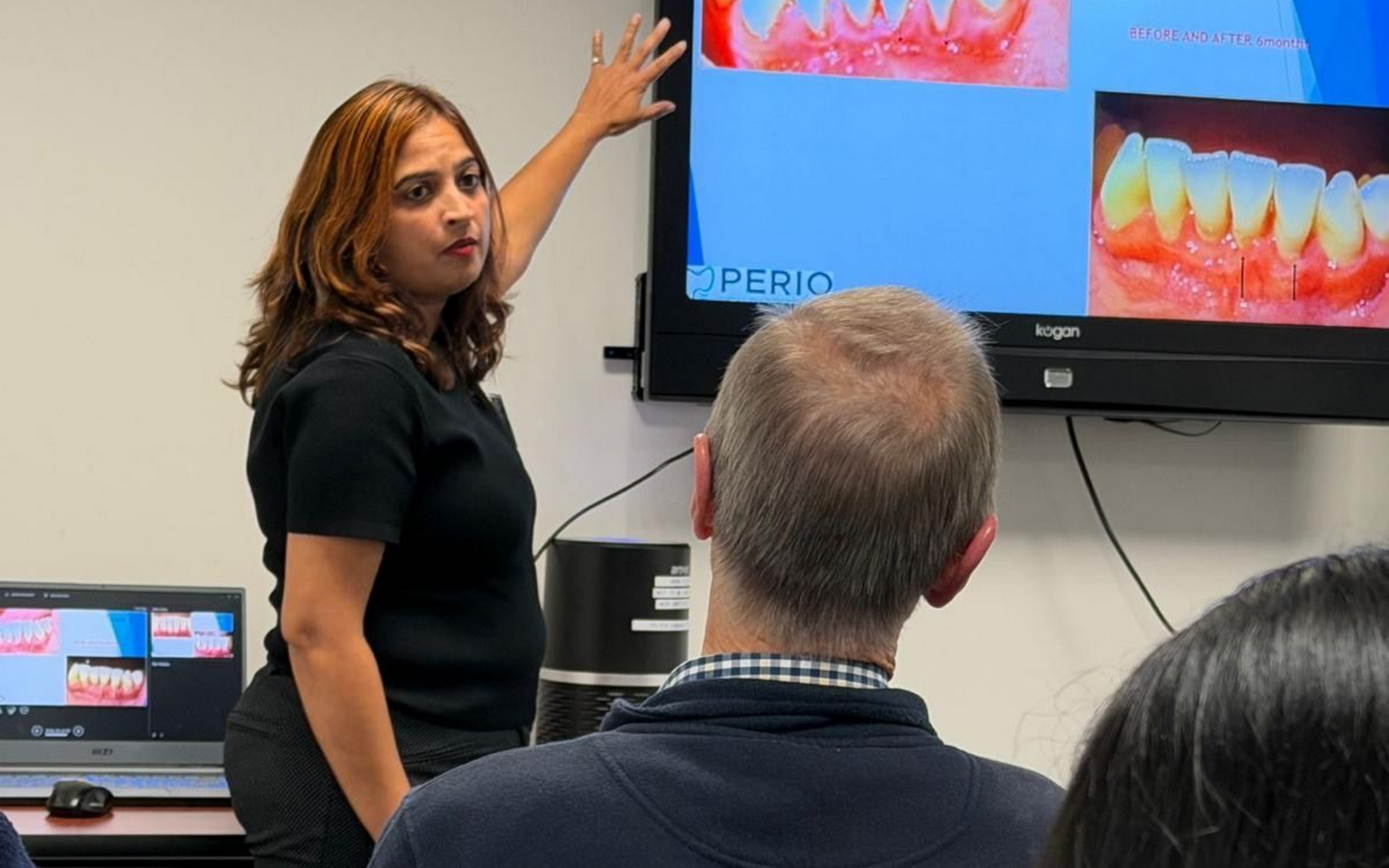
At Perio Health Specialists, we believe collaboration between dentists and periodontists can help patients receive the right care at the right time. Our specialist periodontist, Dr Ruchi Agarwal, works with dentists to assess complex periodontal conditions, provide specialist treatment and support ongoing oral health management.
What Is a Periodontist?
A periodontist is a dental specialist who focuses on the prevention, diagnosis and treatment of conditions affecting the gums and other structures that support the teeth.
While general dentists provide comprehensive dental care, periodontists receive additional specialist training in managing more complex periodontal conditions and implant related procedures.
At Perio Health Specialists, treatment includes:
- Gum disease treatment
- Supportive periodontal therapy
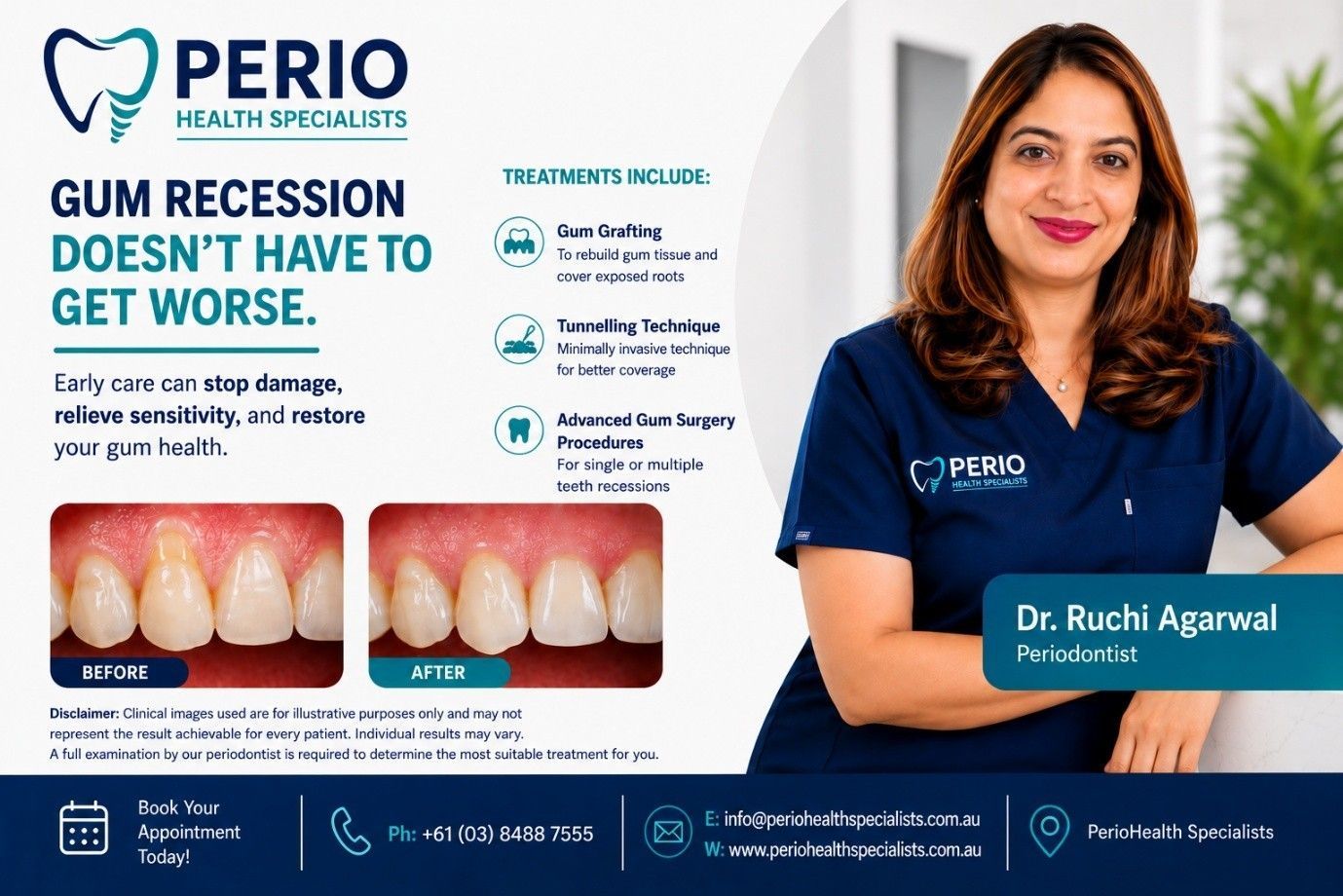
- Gingival recession treatment and soft tissue grafting
- Regenerative periodontal surgery
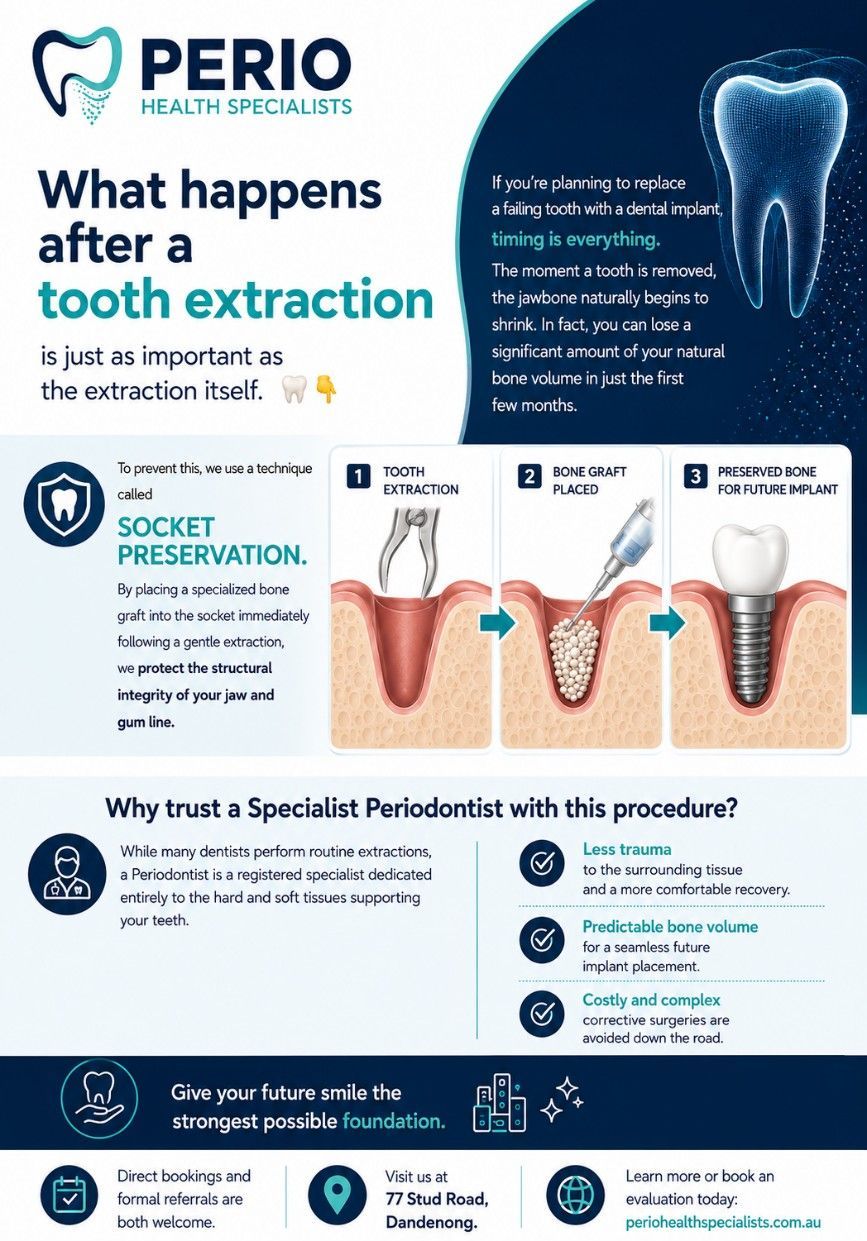
- Bone grafting
- Dental implant surgery
- Sinus lift procedures
- Management of peri implant diseases
- Crown lengthening
- Periodontal treatment associated with orthodontic care
Dr Ruchi Agarwal is a registered Specialist Periodontist who completed her Doctor of Clinical Dentistry in Periodontics at the University of Melbourne. Her clinical interests include gum grafting, gingival recession treatment, periodontal regeneration, bone grafting, dental implant surgery and management of peri implant diseases.
When Might a Dentist Refer a Patient to a Periodontist?
Not every patient with gum problems needs specialist treatment. However, there are situations where a periodontist's additional expertise can be valuable.
1. Moderate to Severe Gum Disease
Gum disease can progress from inflammation of the gums to destruction of the bone supporting the teeth. Signs may include bleeding gums, gum swelling, persistent bad breath, gum recession, deep periodontal pockets or loose teeth. A periodontist can assess the extent of periodontal disease and develop a treatment plan designed to control the disease and protect the supporting structures around the teeth.
2. Significant Gum Recession
Gum recession can expose the tooth root, potentially causing sensitivity and increasing the risk of further tissue loss. A periodontist can determine why the recession has occurred and whether treatments such as soft tissue grafting may be appropriate.
3. Bone Loss
Bone loss associated with periodontal disease can compromise the stability of natural teeth and may also affect future dental implant treatment. A specialist periodontal assessment can help determine the extent of bone loss and whether regenerative or reconstructive procedures may be appropriate.
4. Complex Dental Implant Cases
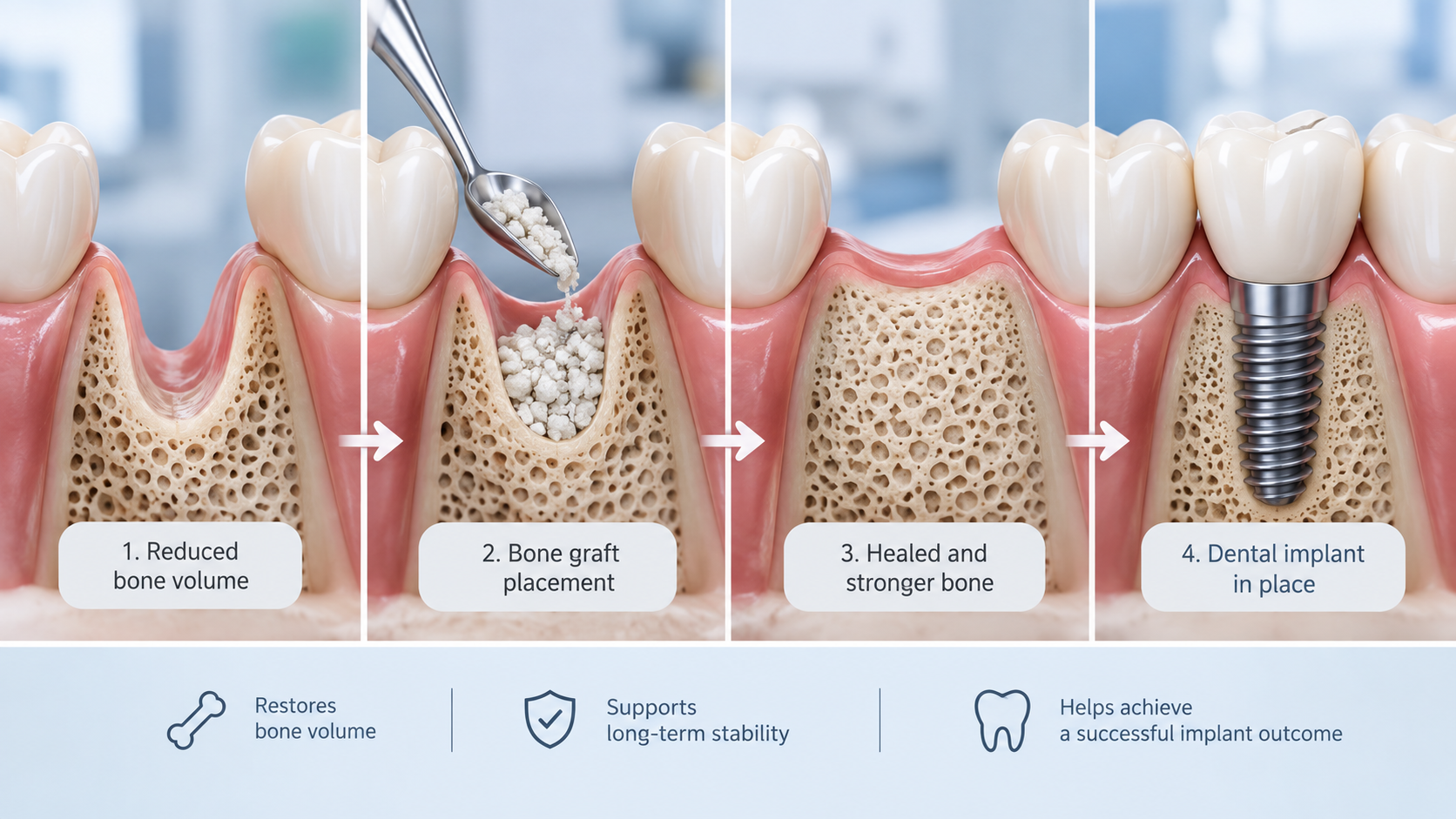
Dental implants require healthy gums and adequate bone support. Before implant treatment, a periodontist can assess the gum tissues and available bone and determine whether additional procedures such as bone grafting or a sinus lift may be required.
5. Problems Around Existing Dental Implants
Dental implants also require ongoing maintenance. Inflammation around an implant can develop into peri implant disease, which may involve infection and bone loss. Early assessment can be important in managing these problems.
How Does a Periodontist Support the General Dentist?
Specialist Diagnosis
The periodontist can provide a detailed assessment of the periodontal tissues, including gum health, periodontal pocketing, bone levels and other supporting structures. This additional assessment can help clarify the nature and severity of a patient's periodontal condition.
Specialist Treatment
Where specialist intervention is required, the periodontist can provide treatments that are outside the scope of routine general dental care. These may include periodontal surgery, gum grafting, regenerative procedures, bone grafting and implant surgery.
Treatment Planning
Complex dental treatment often involves several stages. For example, a patient requiring an implant may first need periodontal treatment or bone augmentation before the implant can be placed. The periodontist can coordinate the surgical and periodontal aspects of treatment while the general dentist manages the patient's restorative dental needs.
Ongoing Communication
Following specialist treatment, the patient can return to their general dentist for ongoing dental care while the periodontist provides periodontal maintenance and specialist review when required.
How Does This Collaboration Benefit Patients?
Earlier Identification of Problems
A dentist may identify early signs of periodontal disease during a routine examination and recommend specialist assessment before the condition becomes more advanced.
More Comprehensive Treatment Planning
Complex cases often require consideration of the gums, teeth, bone, bite and planned restoration together. Having a periodontist involved can help ensure the periodontal component of treatment is considered before restorative or implant treatment begins.
Better Preparation for Dental Implants
Patients considering dental implants may require assessment of their gums and jawbone before treatment. If bone volume is insufficient, bone grafting or other procedures may be recommended before implant placement.
Protection of Natural Teeth
One of the important goals of periodontal treatment is helping patients maintain their natural teeth for as long as possible. Managing periodontal disease, inflammation and supporting bone loss can form an important part of protecting the foundations of natural teeth.
Ongoing Maintenance
Periodontal treatment does not necessarily end when active treatment is completed. Patients with a history of periodontal disease may require ongoing supportive periodontal therapy and regular professional maintenance.
A Team Based Approach to Periodontal Care
For patients, it can sometimes seem confusing when their dentist recommends seeing another dental specialist. However, a referral to a periodontist does not mean that something has gone wrong with your dental care.
Instead, it can mean that your dentist has identified a condition where additional specialist knowledge may help.
Your dentist may continue to manage your general dental needs while the periodontist focuses on the periodontal or implant related component of your treatment.
What Happens During a Periodontal Consultation?
At Perio Health Specialists, the first appointment is focused on understanding the patient's individual needs.
- Reviewing dental and medical history
- Examining the teeth and gums
- Periodontal charting and measurements
- Reviewing existing dental X rays
- Taking additional imaging or 3D scans where appropriate
- Assessing bone levels and gum tissues
- Discussing treatment options
- Developing an individual treatment plan
A treatment plan can then be shared with the patient's referring dentist to support coordinated care.
Supporting Dentists Across Melbourne's South East
Perio Health Specialists provides specialist periodontal and implant care from clinics in Dandenong and Frankston, supporting patients and dental professionals across Melbourne's south east.
The practice provides specialist treatment for patients from Dandenong, Frankston, Cranbourne, Berwick, Pakenham, Mornington and surrounding suburbs.
Led by Specialist Periodontist Dr Ruchi Agarwal, the practice focuses on gum health, periodontal treatment and dental implants, with an emphasis on evidence based treatment and personalised patient care.
When Should You Speak With a Periodontist?
If your dentist has recommended a periodontal referral, it is worth understanding why specialist assessment has been suggested.
You may also benefit from speaking with a periodontist if you experience:
- Bleeding or swollen gums
- Persistent bad breath
- Gum recession
- Sensitive exposed tooth roots
- Loose teeth
- Bone loss
- Deep gum pockets
- Concerns about an existing dental implant
- A history of gum disease
- Missing teeth and an interest in dental implants
Working Together for Healthier Smiles
General dentists and periodontists have different areas of expertise, but their roles can complement each other.
Your dentist may identify a periodontal concern, while a periodontist can provide specialist assessment and treatment. After specialist treatment, your dentist can continue providing comprehensive dental care, with periodontal maintenance coordinated according to your individual needs.
At Perio Health Specialists, our goal is to make this collaboration as straightforward as possible for both dentists and patients.
Speak With Perio Health Specialists
Perio Health Specialists provides specialist periodontal and implant care in Dandenong and Frankston, Victoria.
Led by Specialist Periodontist Dr Ruchi Agarwal, the practice provides treatment for gum disease, gum recession, bone loss, dental implants and peri implant disease.
No referral is required. Patients can contact Perio Health Specialists directly to arrange a consultation.
Phone: (03) 8488 7555
Email: info@periohealthspecialists.com.au
Dandenong: 77 Stud Road, Dandenong VIC 3175
Frankston: 8 Overton Road, Frankston VIC 3199
Specialist periodontal care closer to home.