How Long Do Dental Implants Last? What Patients Living in Cranbourne and Nearby Areas Should Know
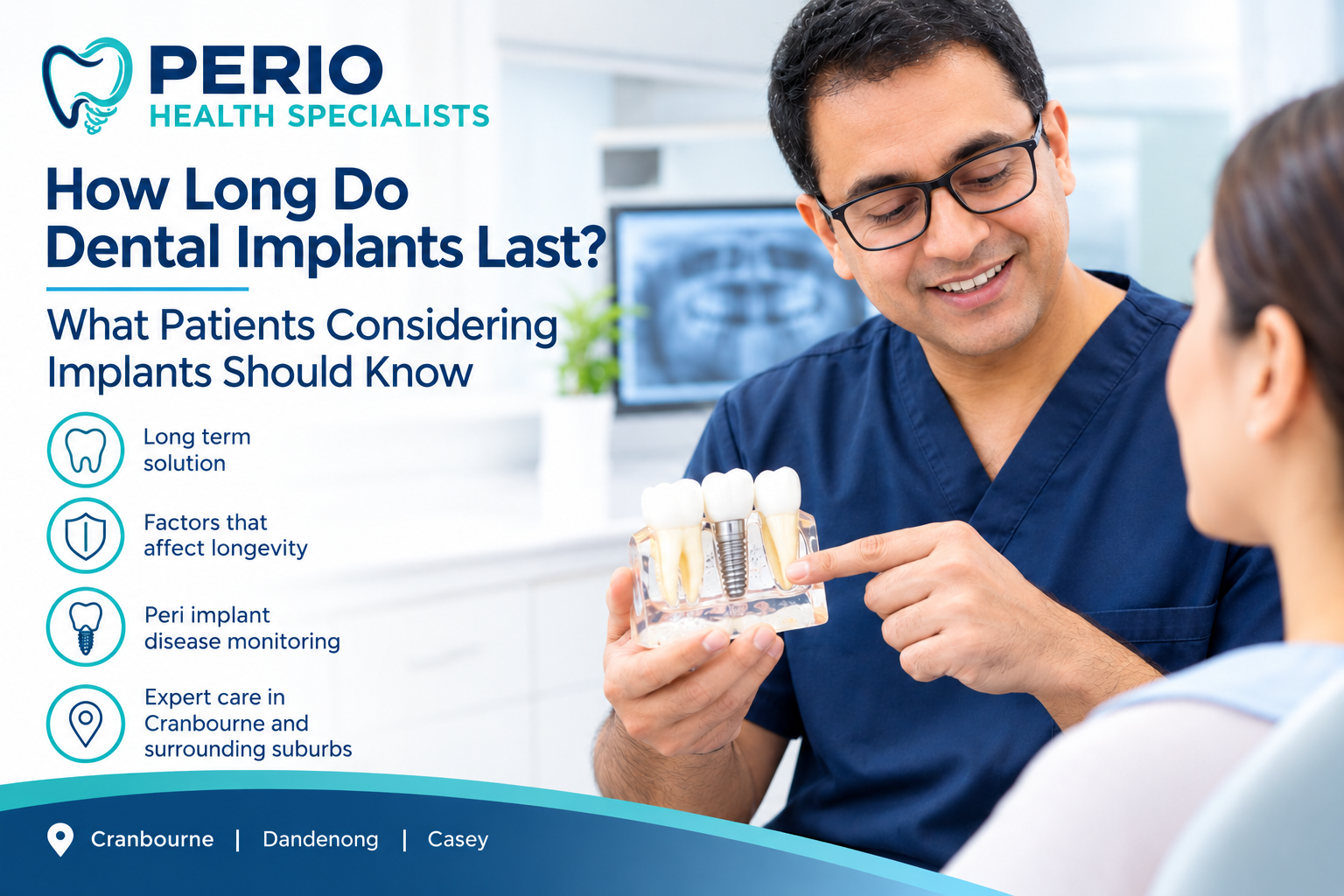
Dental implants are one of the most significant investments a person can make in their long-term oral health. This article covers how long dental implants typically last, the key factors that may affect their longevity, and what patients in Cranbourne, VIC, can do to protect that investment for decades to come.
How Long Can Dental Implants Last?
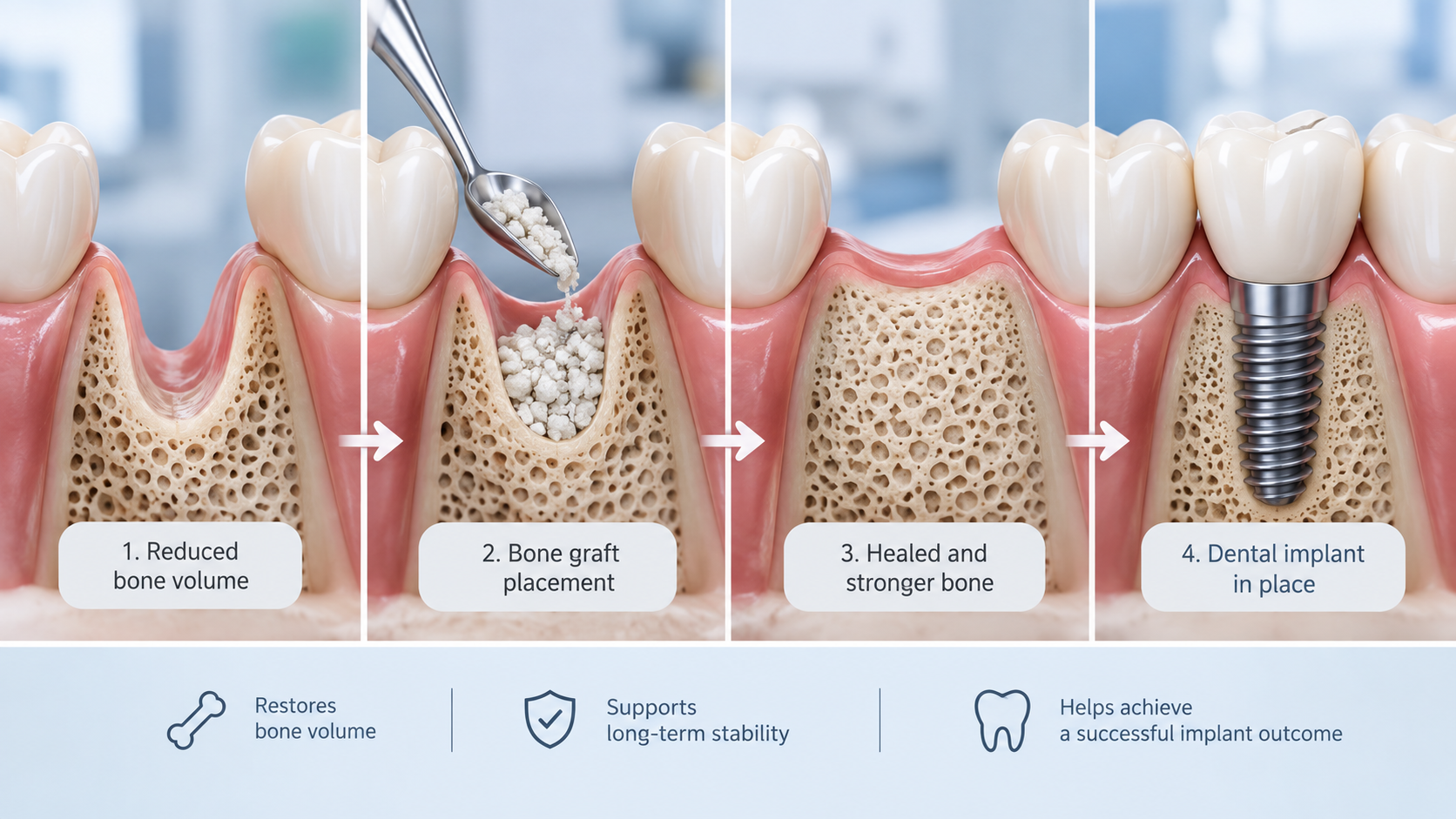
Dental implants are designed to be a long-term solution for missing teeth. With proper care, clinical evidence suggests implants can last 10 years or more, and many patients retain functioning implants for the rest of their lives. The titanium post that anchors the implant into the jawbone is highly durable and, once integrated with the surrounding bone, can remain stable for many years.
An implant has two main components: the titanium post and the crown (the visible tooth-like cap). The crown may need replacement after 10 to 15 years due to normal wear, even when the underlying post remains healthy.
Overall success depends heavily on how well the surrounding gum and bone tissues are maintained over time, which is where specialist periodontal monitoring plays a crucial role.
What Affects How Long an Implant Lasts?
Gum Health and Bone Density
Healthy gums and adequate bone support are essential for implant stability. If gum disease or bone loss develops around the implant, a condition known as peri-implant disease can take hold, leading to inflammation, bone deterioration, and in severe cases, implant failure. Patients with a history of gum disease require particularly close monitoring after placement.
Oral Hygiene Habits
Bacteria can build up around the implant just as they do around natural teeth. Brushing twice daily, using interdental brushes or floss, and attending regular professional cleans can significantly reduce the risk of peri-implant complications.
Smoking
Smoking is widely recognised as a major risk factor for implant complications. It can impair healing, reduce blood supply to gum tissue, and increase the likelihood of infection, giving smokers a higher risk of implant failure over time.
Systemic Health Conditions
Conditions such as uncontrolled diabetes can affect how the body heals and responds to infection. Patients managing these conditions may benefit from more frequent monitoring and a tailored maintenance plan.
Grinding and Clenching
Bruxism places excessive force on the implant and surrounding bone. A custom occlusal splint may be recommended to protect the implant structure over the long term.
The Role of Peri-Implant Disease Monitoring
Peri-implant disease exists on a spectrum, from early-stage inflammation (peri-implant mucositis) to more advanced bone loss (peri-implantitis). Early-stage disease can often be managed successfully; advanced disease is more difficult to treat and may jeopardise the implant itself.
Regular specialist reviews allow subtle changes to be detected before they progress. X-rays, probing depth measurements, and tissue assessment can reveal signs of concern that may not be visible or painful to the patient. Learn more at the Management of Peri-Implant Diseases page.
Ongoing supportive periodontal therapy between active treatment phases also plays an important part in maintaining the tissues that support both natural teeth and implants.
What Cranbourne Patients Should Know
Patients considering dental implants in Cranbourne, VIC, or the broader Casey region, are within straightforward travelling distance of specialist periodontal care in Dandenong. Suburbs including Clyde, Narre Warren, and Berwick are seeing more adults make long-term dental decisions, including implants.
Access to specialist monitoring and follow-up care is just as important as the placement procedure itself. Having a specialist periodontist involved in planning, placement, and ongoing review can make a meaningful difference to how long implants last.
How Long Does an Implant Take to Fully Heal?
Most implants require three to six months for the titanium post to integrate with the jawbone. The total timeline from placement to the final crown may vary depending on individual bone density and overall health.
Can a Failed Implant Be Replaced?
In many cases, yes. If an implant is lost due to infection or bone loss, a new implant may be possible after treating the underlying issue and allowing the area to heal. Early intervention is key to keeping this option available.
How Often Should I Have My Implant Checked?
Most patients benefit from periodontal review appointments every six to twelve months, though frequency may be adjusted based on individual risk factors such as a history of gum disease or smoking.
Is Peri-Implantitis Treatable?
Peri-implantitis can often be managed, particularly when caught early. Treatment may include professional cleaning of the implant surface, antibiotics, or surgical intervention in more advanced cases.
Speak With Our Team About Long-Term Implant Care
Protecting a dental implant is an ongoing commitment, and specialist support makes that process more manageable. Perio Health Specialists, serving Cranbourne and surrounding south-east Melbourne suburbs from their clinic in Dandenong, VIC, offers specialist periodontal assessment and peri-implant disease monitoring to help patients maintain healthy, stable implants. No referral is required to book a consultation. Call (03) 8488 7555 or contact us online to arrange your appointment.